Concentrated solar power (CSP)
SQM, a strategic global partner in solutions for CSP projects.
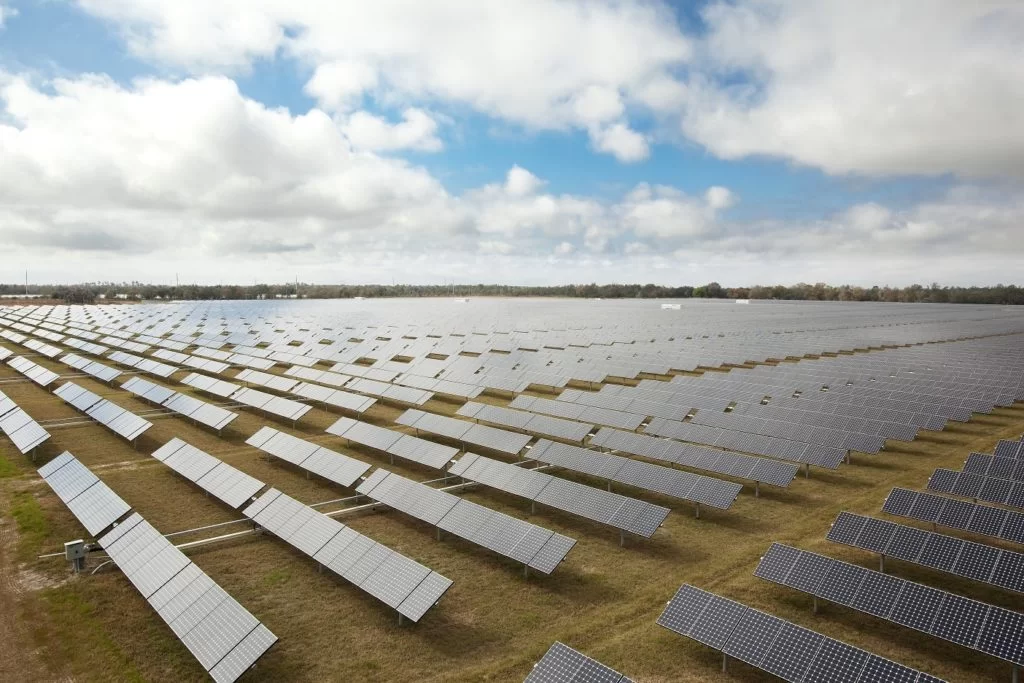
One of the most efficient and sustainable technologies currently adopted at a commercial scale in Thermo-Solar Plants is the Molten Salt Storage System.
This system represents a key breakthrough, in thermal energy storage, enabling continuous plant operation even in the absence of direct solar radiation.
How does molten salt storage work?
This system uses a molten mixture of Sodium Nitrate (NaNO₃) and Potassium Nitrate (KNO₃), which functions as:
Heat transfer fluid (replacing traditional synthetic oil)
Heat storage medium
The molten salts are stored in thermally insulated tanks at high temperatures, allowing the heat captured during the day to be stored for later use, even when the sun is not shining, such as at night or on cloudy days.
Advantages of the molten salt system
- Improved energy efficiency: Molten salts can operate at higher temperatures than other thermal fluids, increasing the efficiency of the thermal cycle of electricity generation.
- 24/7 operation: Stored heat allows the plant to continue generating electricity continuously, without interruptions due to lack of sunlight.
- Replacement of synthetic oil: A safer and less polluting fluid.
- Scalable and proven technology: Already implemented in large-scale Thermo-Solar plants around the world.
- Environmentally friendly: Reduction of emissions and operational risks associated with oil handling.
Types of plants
Operating principle of a CSP Plant with Parabolic Trough Collectors
A parabolic trough is a type of Thermo-Solar collector. It is built as a long parabolic mirror with a receiver tube running along its focal point.
Sunlight is reflected by the mirror and concentrated on the receiver tube. The collectors are usually aligned on a north–south axis and rotate to follow the sun as it moves across the sky throughout the day.
The heat transfer fluid passes through the tube to absorb the concentrated solar energy, raising its temperature to around 400°C (752°F).
After this, the heat transfer fluid is used to heat the steam in a standard turbine generator.
In plants already using this technology and those currently under construction, thermal storage systems are operating at a capacity of 6 to 8 hours.
Storage systems with Central Receivers are being developed to reach up to 15 hours
Operating principle of a CSP Plant with a Central Receiver
A CSP plant with a central receiver works by concentrating sunlight onto a single point to generate heat and produce electricity, similar to a conventional power plant.
How is this achieved?
- It uses hundreds of movable mirrors called heliostats that track the sun throughout the day.
- These mirrors reflect sunlight toward a central tower, where a black receiver captures and absorbs the heat.
- A thermal fluid (such as molten salts) circulates through the receiver, heats up, and is then sent to a boiler at the base of the tower.
- There, the heat is used to generate steam, which drives a turbine generator and produces electricity.
Advantages of this system:
- It allows thermal energy storage, giving the plant greater flexibility.
- It can operate even when there is no sun, reaching a capacity factor of 70% or more.
Solar Two Project
In 1995, SQM supplied thermal salts for the Solar Two Power Tower pilot project in California, USA. These salts were used as a heat transfer fluid and for heat storage.
This project was key as it provided the first real data on how this technology operates, and it remains a primary source of information for its ongoing development.
Related newsSee all news →


 Sunset SQMentors 2025: cerramos la convocatoria con una jornada llena de energía y conexión
 Lideresas del Salar de Atacama ratifican su compromiso con AMA en el primer aniversario de la Alianza para la Mujer Atacameña

Rate certificates
Beginning with tax year 2020, Professional Fees Certificates must be requested by email, indicating your name and national identity card number.
Email us at [email protected] to access this information.

Supplier consultation
Dear suppliers:
If you have any questions regarding Purchase Orders (POs), please send us the document in PDF or JPG format (photograph) to the following email address: [email protected].
Please ensure that the PO is legible, especially the following fields: Company Name, order number, and the buyer’s name and contact details.
We will respond to your inquiries within 24 hours.