Plant nutrition for lettuce: recommendations by phenological stage
For effective plant nutrition in lettuce crops, consult your SQM agronomist and obtain a customized plan based on local conditions.
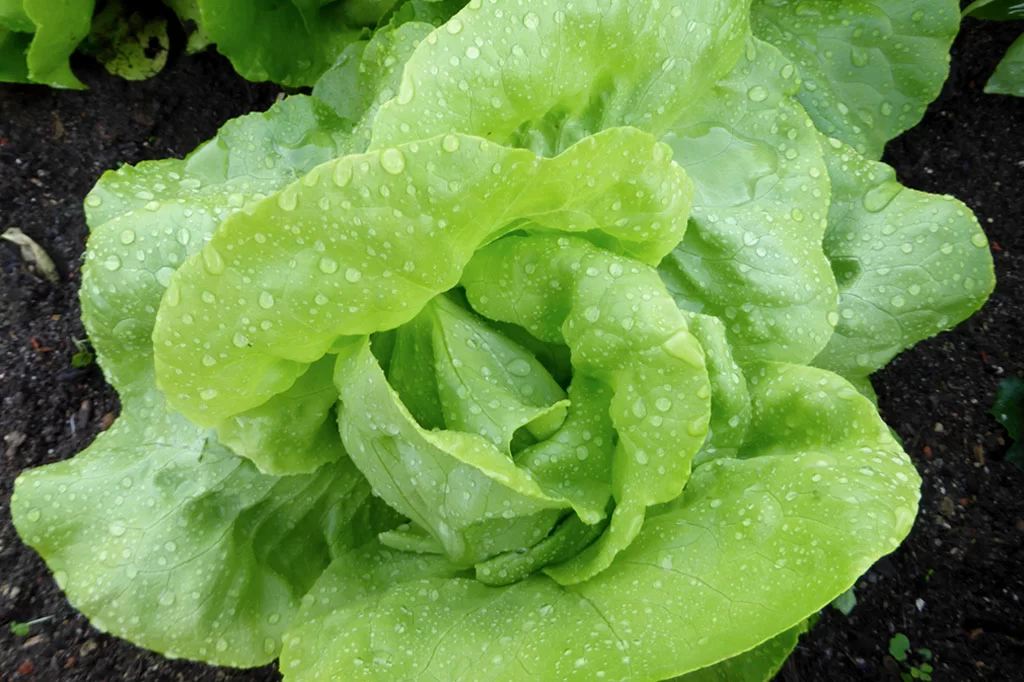
Growth Stages
Lettuce (Lactuca sativa) is a short-cycle crop widely produced in intensive systems. Adequate plant nutrition is key to achieving good-quality leaves, rapid development, and stress tolerance.
Here you will find general recommendations for each phenological stage to optimize lettuce crop productivity.
Germination and emergence
Duration: 2 to 5 days after sowing, depending on temperature and humidity.
Characteristics:
- Seed imbibition
- Tegument rupture
- Hypocotyl emergence and appearance of cotyledons
Optimal conditions:
- Temperatures between 18–22 °C
- Soil with good structure and constant moisture
Leaf Development
Duration: First to third week after sowing or transplanting.
Characteristics:
- Development of true leaves
- Progressive increase in leaf area
Agronomic relevance:
- Critical stage for Nitrogen (N) nutrition
- Requires adequate Phosphorus (P) supply to stimulate root system
Head Formation
Duration: 2 to 3 weeks
Characteristics:
- Central leaves begin to wrap around the growing point
- Initiation of “hearting” in romaine or escarole varieties.
Agronomic management:
- High demand for Potassium (K) and Calcium (Ca) for firmness, structure, and commercial quality
- Controlled irrigation to avoid water stress that affects head formation
Harvest Maturity
Characteristics:
- Head reaches desired commercial size depending on variety
- Crisp texture, uniform color, and well-formed leaves
Harvest indicators:
- Varies depending on type (butterhead, romaine, iceberg, etc.)
- Generally between 55 and 75 days after transplanting
Considerations:
- Avoid excess late Nitrogen, which promotes disease.
- Harvest early in the day to prevent loss of turgidity
Flowering and bolting
- Undesirable in commercial leaf production.
- Occurs when the plant responds to stress (high temperatures, long photoperiod).
- Affects quality, texture, and flavor (bitterness).
Prevention:
- Maintain proper temperature and irrigation management.
- Grow varieties adapted to the season and local climate.
Related newsSee all news →



Rate certificates
Beginning with tax year 2020, Professional Fees Certificates must be requested by email, indicating your name and national identity card number.
Email us at [email protected] to access this information.

Supplier consultation
Dear suppliers:
If you have any questions regarding Purchase Orders (POs), please send us the document in PDF or JPG format (photograph) to the following email address: [email protected].
Please ensure that the PO is legible, especially the following fields: Company Name, order number, and the buyer’s name and contact details.
We will respond to your inquiries within 24 hours.