News
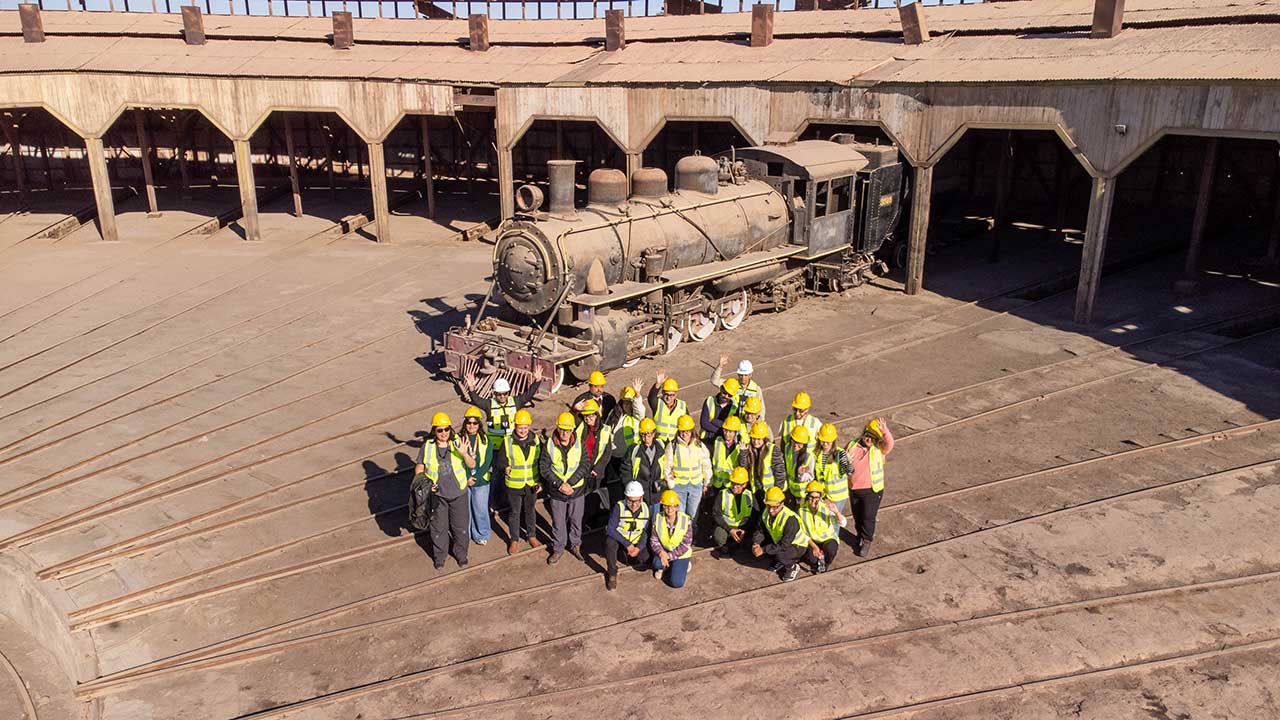
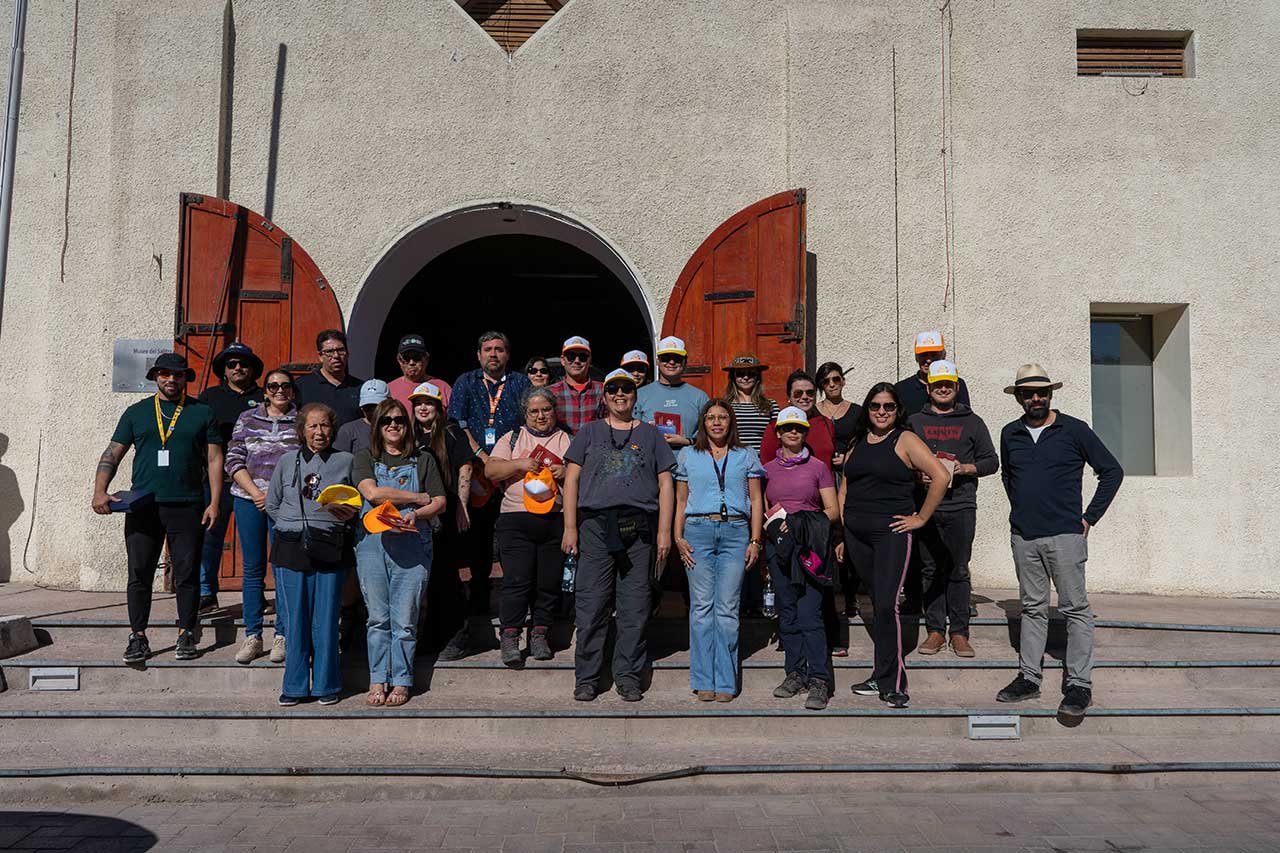
The tour included Baquedano, Chacabuco, María Elena and Pedro de Valdivia. It is part of an initiative aimed at positioning the saltpeter circuit as an international cultural attraction.
There are places where time seems to have stood still. In the heart of the world’s driest desert, old train stations, industrial camps and streets that once housed thousands of workers continue to tell the story of those who came to northern Chile in search of new opportunities. The first Saltpeter Trail offered information about that legacy to representatives of Chilean and international public and private institutions.
Organized as part of the complementary activities for the international mining and energy exhibition EXPONOR 2026, the initiative invited participants to visit some of the landmarks associated with the saltpeter industry in the Antofagasta Region. They included historic Baquedano Station, the Chacabuco saltpeter office, the Saltpeter Museum and the historic district of María Elena, ending in Pedro de Valdivia.
More than just a guided tour, the activity provided insight into the origins of an industry that transformed northern Chile and profoundly impacted the identity of its inhabitants. It offered a glimpse of the places where a significant part of the economic, social and cultural development that continues to define the region today took shape.
Sierra Gorda mayor Adriana Rivera commented, “The program provided an opportunity to share the human and cultural richness of the pampa with visitors from different countries. We toured Baquedano and Chacabuco, places that help us understand the vital role the railroad played and learn about the experiences of thousands of families who came to the desert with hope, hard work and a vision for the future.”
That view is shared by Viviana Cuello Rivera, mayor of María Elena, who added, “As part of our celebration of María Elena’s centennial, we are coordinating this initiative to highlight the saltpeter heritage and show the world an identity that remains alive in its people, customs and landmarks.”
The event was organized by SQM in collaboration with Universidad Católica del Norte, the municipalities of Sierra Gorda and María Elena, Ferronor S.A. and the Chacabuco and Pedro de Valdivia corporations.
SQM Manager of Communities and Public Affairs, Aníbal Abogabir explained that this first version, developed as a pilot program, allowed visitors to experience the essence of the saltpeter pampa through an immersive tour. “This initiative has profound meaning for us, as the preservation and promotion of the cultural and historical heritage of the saltpeter industry are among the fundamental pillars of our work. We see ourselves as heirs to that history. As such, during this twelve-hour tour, we share the identity, traditions and invaluable legacy that this region preserves, helping to keep the memory of the saltpeter culture alive for future generations.”
The Saltpeter Route is designed to serve as a premier cultural circuit for visitors to the Antofagasta Region, integrating industrial heritage, local traditions, archaeology, collective memory and astronomy into an experience that invites visitors to discover the richness of the desert from multiple perspectives.