News
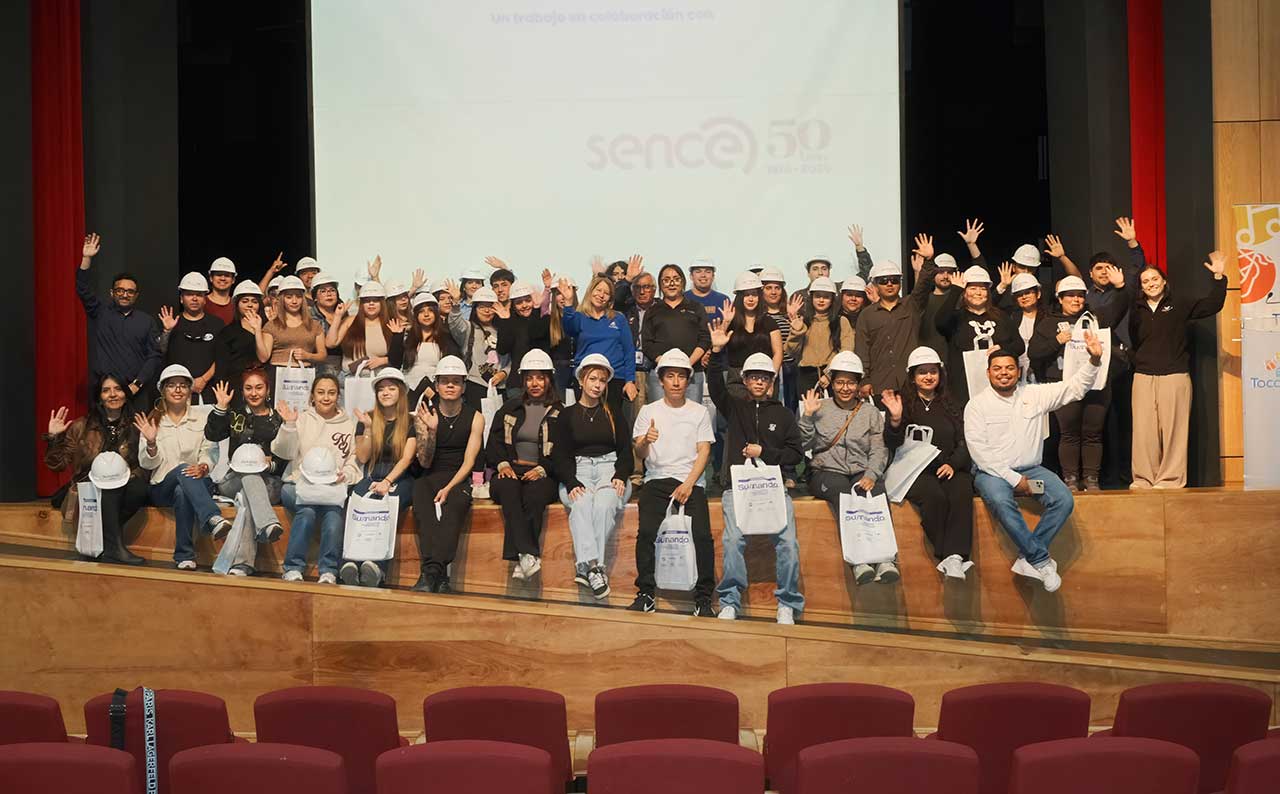
Developed in partnership with OTIC Sofofa, Fundación Chile, OTEC Dos Barbas and the SENCE offices in both regions, the program offers 560 spots in a curriculum designed in collaboration with the OMILs and tailored to the economic and labor needs of each region.
The courses are being promoted by SQM in partnership with other organizations and are currently taking place in various locations throughout the Tarapacá and Antofagasta regions, aiming to strengthen local employability and bring training opportunities to communities. They strive to provide tools and build skills based on each region’s employment and economic needs.
In total, the program includes 560 spots in 27 courses, distributed across both regions, with 15 courses (290 spots) in Tarapacá and 12 courses (270 spots) in Antofagasta. The training sessions are being held in Pozo Almonte, Huara, Iquique and its fishing villages, Tocopilla, María Elena, Mejillones, Sierra Gorda and Antofagasta.
One highlight is the extraction truck operator course, a 120-hour program targeted towards residents of Pozo Almonte, home to some of SQM’s operations. Abraham Díaz, Director of Community Development for the Municipality of Pozo Almonte, highlighted the impact this training has on the community, “especially on our young people, who can now access comprehensive training to operate high-tonnage trucks.” He also added how this “tool gives them a chance to join the large-scale mining industry,” and praised the fact that the training takes place in the very same location where the company operates, emphasizing the importance of building capacity and developing the community’s human capital.
The program also includes courses in mining and plant operations, agricultural machinery operation, leaching, rigging, OS-10 safety, warehouse and inventory management, SAP, plumbing, industrial cleaning, electricity, welding and installing photovoltaic solar panels, addressing the needs of both the mining sector and other industries in the region.
This program was designed based on the needs identified with the municipal job placement office (OMIL) in each community, as well as data provided by the “Workforce Study of Chile’s Large-Scale Mining Companies,” prepared by CCM-Eleva, looking to align training with the profiles and skills currently required by the industry.
Alejandro Fernández, Head of Productive Development at SQM, noted that the company “is committed to developing local talent through courses tailored to the industry’s current needs. The company is proud to launch this program, which directly benefits local residents and strengthens the region’s human capital so that they can become part of the mining value chain.”
Félix Rojas, a participant in the extraction truck operator course, stressed the importance of these initiatives: “I think it’s really good for the community. With this course, this support and training, the company views us more favorably when hiring. That’s the idea, and it’s what motivates us, too, since we don’t have much experience but want to learn.”
The program is a joint effort by SQM, OTIC SOFOFA, Fundación Chile, OTEC Dos Barbas and the OMILs in each municipality, in coordination with SENCE Tarapacá and SENCE Antofagasta, as well as the respective regional representatives from the Labor and Social Security ministries for both regions.
Classes began gradually in late August, with new courses starting throughout September in various locations. The goal of this initiative goes beyond simply providing training to include developing relevant educational programs, strengthening local capacities and expanding job opportunities for the people living in these areas.
In Antofagasta, 12 courses with a total of 270 spots are currently being offered.
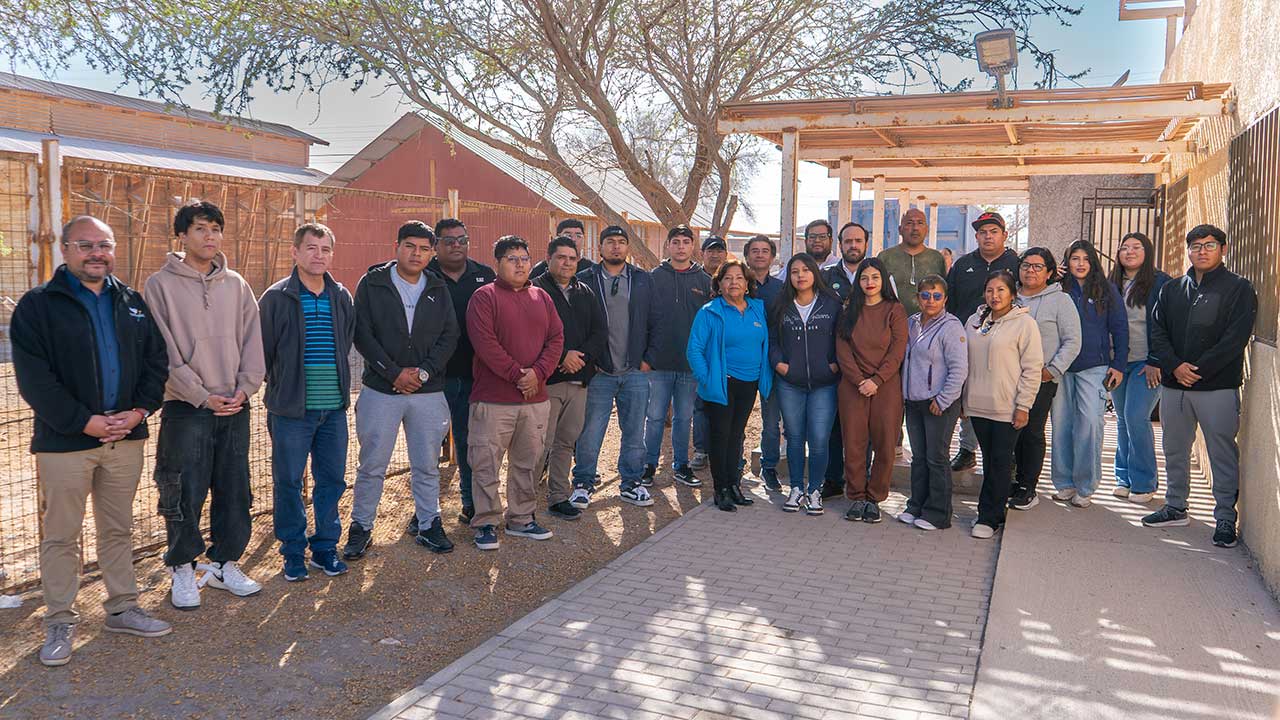
The training programs aim to provide tools and build skills related to each region’s employment and economic needs.