Plant nutrition for banana: recommendations by phenological stage
For effective plant nutrition in banana crops, consult your SQM agronomist and obtain a customized plan based on local conditions.
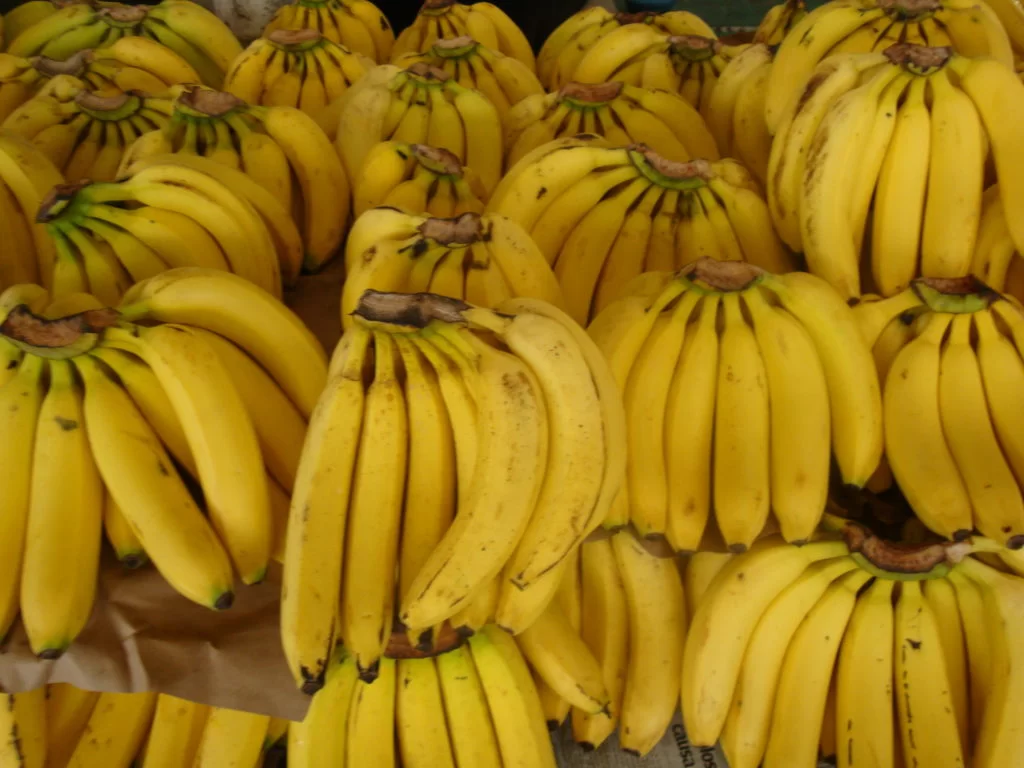
Growth Stages
The banana (Musa spp.) is a perennial herbaceous plant of tropical origin, grown mainly in warm and humid climates.
Although its production in Chile is limited by climatic conditions, its cultivation can be explored in high-tech greenhouses or areas with favorable microclimates. Nutritional management is key to achieving good bunches, preventing physiological imbalances, and maintaining root system health.
Budbreak and establishment
The initial development of the pseudostem and roots is sensitive to soil conditions, temperature, and nutrient availability, especially phosphorus and nitrogen.
Vegetative growth
Large leaves are formed, requiring a high demand for Nitrogen, Potassium, Magnesium, and micronutrients. Balanced nutrition in this stage determines the number and size of the bunches.
Flowering and bunch formation
During this critical stage, the inflorescence begins. The demand for Potassium and Calcium increases, which are vital for fruit filling and firmness.
Maturation and harvest
The bunch reaches its final size. A good nutrient balance is required to support the weight of the fruit and prevent diseases. Excess Nitrogen can delay maturity.
Considerations for cultivation in Chile:
- Requires protected environments and minimum temperatures above 15 °C throughout the year.
- Soil must have excellent drainage and high fertility.
- Careful management of relative humidity and ventilation in greenhouses.
Related newsSee all news →

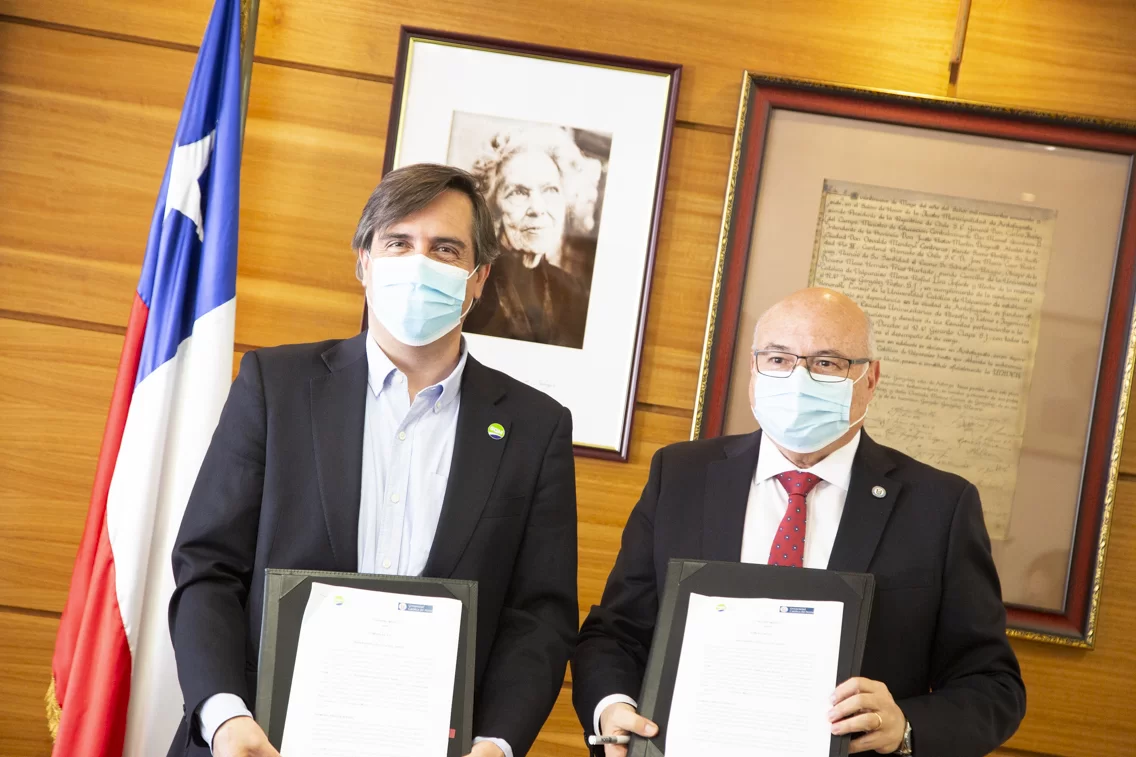
 UCN y SQM desarrollarán en conjunto actividades de investigación, docencia y vinculación

Rate certificates
Beginning with tax year 2020, Professional Fees Certificates must be requested by email, indicating your name and national identity card number.
Email us at [email protected] to access this information.

Supplier consultation
Dear suppliers:
If you have any questions regarding Purchase Orders (POs), please send us the document in PDF or JPG format (photograph) to the following email address: [email protected].
Please ensure that the PO is legible, especially the following fields: Company Name, order number, and the buyer’s name and contact details.
We will respond to your inquiries within 24 hours.