SQM treatments in tobacco: Potassium Nitrate visibly increases the size of tobacco plants in Uganda
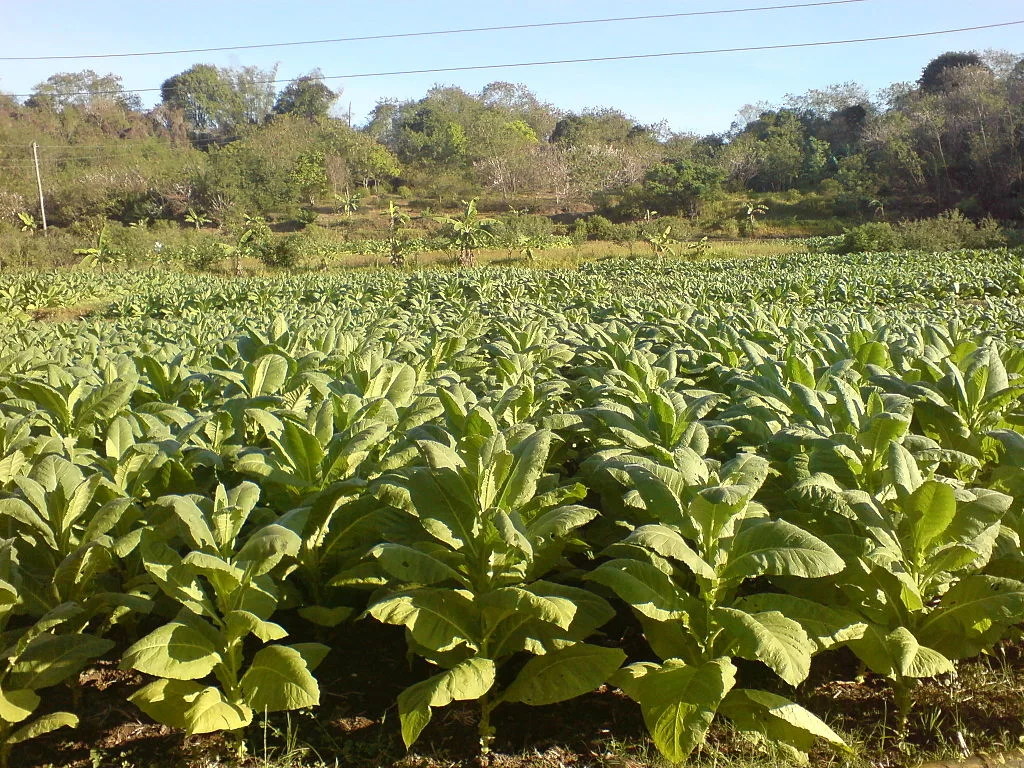
SQM Africa and British American Tobacco (BAT) in Uganda conducted a trial in Burley and Flue Cured tobacco fields that demonstrated the positive impact of Potassium Nitrate on crop yield and quality.
This study focused on small-scale producers with plots of just 0.5 hectares, who are part of a technical program supervised by more than 100 BAT advisors.
Study Specifics:
- BAT works with 20,000 tobacco growers in Uganda, primarily Burley and Flue Cured.
- The average yield of Burley increased from 988 to 1,729 kg/ha over the last decade.
- The additional application of 125 kg of Potassium Nitrate per hectare generated a 40% increase in leaf yield.
- Growers who used Potassium Nitrate achieved an approximate net profit of US$ 575/ha.
- SQM Africa confirmed that Potassium Nitrate improves plant size, leaf density and leaf quality.
Tobacco Farming in Uganda
BAT manages more than 15,000 hectares of tobacco, comprising 5,500 hectares of Burley and 4,000 hectares of Flue Cured.
To ensure the quality of the raw material, producers are classified into categories A, B, C, and D according to yield and production records. Over the last 10 years, BAT has managed to increase productivity, although the number of producers has decreased, seeking greater efficiency per hectare.
Potassium Nitrate Trial
In the 2013 season, Burley producers typically applied the following as standard:
- 7.5 bags (50 kg each) of 14-14-20 fertilizer at planting.
- 2.5 bags of CAN (Calcium Ammonium Nitrate).
However, BAT offered higher-level growers (categories A and B) the option of also applying:
➡️ 2.5 additional bags of Potassium Nitrate (125 kg/ha).
This allowed SQM Africa to compare fields treated and not treated with the extra Potassium.
Results of the trial in Hoima, Uganda
In the Hoima region, in western Uganda, two fields belonging to A producers were visited, both with identical soil, planting, and nursery conditions.
- Field with 125 kg of additional Potassium nitrate → showed a 40% increase in plant size and leaf production.
- Field without extra application → lower development and yield.
This visual effect was evident in plant height and leaf density, confirming the role of Potassium in tobacco growing.
The estimated calculation showed that the net profit per producer reached US$575/ha thanks to the application of Potassium nitrate.
This increase helps BAT fulfill its strategy of working with fewer but more productive producers, ensuring the quality and volume of tobacco required for the cigarette industry.
Related newsSee all news →


 Junta de Vecinos Alto Jama premió a los ganadores del primer torneo de baby fútbol que convocó a 208 deportistas

Rate certificates
Beginning with tax year 2020, Professional Fees Certificates must be requested by email, indicating your name and national identity card number.
Email us at [email protected] to access this information.
Supplier consultation
Dear suppliers:
If you have any questions regarding Purchase Orders (POs), please send us the document in PDF or JPG format (photograph) to the following email address: [email protected].
Please ensure that the PO is legible, especially the following fields: Company Name, order number, and the buyer’s name and contact details.
We will respond to your inquiries within 24 hours.